
Creating a Space of Safety: How Anchoring Emotional Safety Helps Young Children Thrive
For 3- to 5-year-olds, the world is a place of incredible discovery and overwhelming intensity. Preschoolers navigate huge feelings with brains that are still developing the capacity for emotional regulation. When a child signals an SOS - a call for support - one of the most transformative environments we can offer is the Space of Safety.
In the CALM Connection, the Space of Safety means anchoring a child's need for emotional security through our steady presence and compassionate understanding of their inner world. By focusing on a child's core strengths, we can turn emotional storms into powerful moments of connection, resilience, and growth.
What Does Emotional Safety Look Like for Preschoolers?
At ages 3 to 5, children are shifting from sensorimotor play to symbolic, relational play, but they still rely heavily on the adults around them to stay regulated. Emotional safety isn't about eliminating big feelings or preventing meltdowns; it’s about children knowing that: "All of their feelings are okay, and you will be there with them."

When we create a Space of Safety, we build on three core strength-based principles:
Big Feelings Need Safety: The Power of Co-Regulation: Young children require the calm, steady brain of a caregiver to help soothe their own reactive downstairs brain.
Behavior is Communication: Instead of viewing a outburst as "misbehavior," we recognize it as a child's best attempt to express an underlying feeling or unmet need.
Let Feelings be Felt, Not Fixed: Children don't need us to instantly suppress or fix their emotions; they need us to hold space so they can experience them safely.
Bringing the Space of Safety to Life: Everyday moments
Scenario 1: The "Iceberg" Moment at Tidy-Up Time

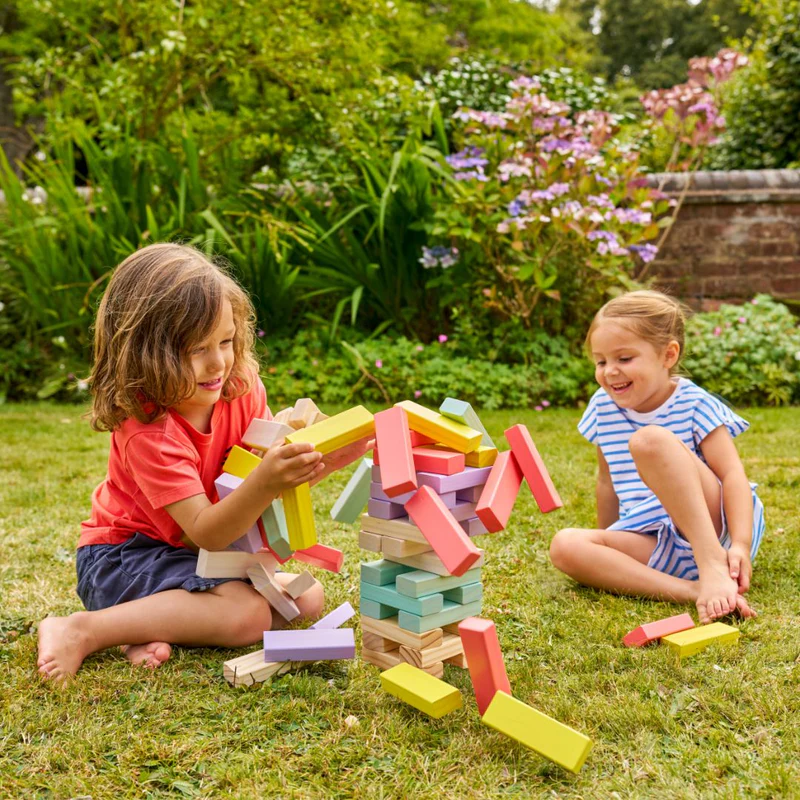
The Situation: 4-year-old Maya is asked to put away her building blocks before dinner. Suddenly, she knocks over the tower, stomps her feet, and yells, "I hate dinner! You're mean!"
Understanding the SOS Signal: Underneath the visible anger top of the iceberg, Maya's feelings might include frustration at interrupting her creative flow, exhaustion from a long day at preschool, or feeling overwhelmed by the transition.
Entering the Space of Safety:
Role Modeling Self-Compassion: Maya’s caregiver takes a deep breath, recognizing that stress is contagious and staying calm is step one.
Validating & Naming the Emotion: Getting down on Maya’s eye level, her parent says warmly, "I wonder if you are feeling frustrated because you were working so hard on that tower and it's tough to stop playing?"
The Outcome: Because her emotion was met with compassion rather than shame, Maya’s downstairs brain begins to cool down. She feels heard, which allows her to move toward cooperation without having to hide her true feelings.
Scenario 2: Separation Anxiety at Preschool Drop-Off

The Situation: 3-year-old Liam clings tightly to his dad's coat at the classroom door, tears welling up, refusing to walk inside.
Understanding the SOS Signal: Liam’s brain is asking, "Am I safe? Am I loved?" He is experiencing vulnerable worry about saying goodbye.
Entering the Space of Safety:
Anchoring Through Presence: Liam’s dad kneels down, offers a firm hug, and reduces his words. "I am right here with you. It is okay to feel sad when we say goodbye."
Building Emotional Literacy: His dad uses an emotion name: "Your heart feels a little worried right now, and that's okay. I always come back."
The Outcome: Instead of rushing Liam or telling him "big boys don't cry," his dad validates his vulnerability. This builds Liam’s internal confidence and emotional self-awareness, making future transitions easier.
3 Simple Ways to Build a Space of Safety Daily
Build an "Emotion Word Bank" Through Play and Stories: Use picture books, storytelling, or songs to talk about different feelings—like feeling shy, excited, jealous, or overwhelmed. This gives children the vocabulary to label their internal states.
Practice "Name It to Tame It": When big emotions flare, guess the feeling out loud with curiosity: "I wonder if you are feeling disappointed because we couldn't go to the park today?" Labelling the feeling engages the upstairs brain and reduces emotional intensity.
Nurture Self-Compassion for Yourself: Supporting a young child through intense feelings is demanding work. Be kind to yourself when things get rocky—remember that perfection isn't the goal, connection is.

By offering our presence, compassionate understanding, and calm guidance, we anchor a Space of Safety that empowers young children to navigate life's big emotions with confidence and resilience. Visit connectwithcalm.ca to explore:
Download the Space of Safety infographic for your quick reference


Comments