
Why Peek‑a‑Boo Matters: Connection Is the Curriculum
Updated: Oct 29
Peek‑a‑Boo Could Change the World: What Molly Wright Teaches Us About Connection
Most people think changing the world requires big systems, big budgets, or big breakthroughs. But seven‑year‑old Molly Wright reminds us of something far more powerful — and far more accessible: A simple game of peek‑a‑boo. A shared smile. A moment of “I see you”.

In her TED Talk How Every Child Can Thrive by Five, Molly breaks down the science of early connection in a way that feels both disarmingly simple and profoundly urgent. Molly's message connects directly to the CALM Connection’s first module — The Space of See Me. Children thrive when adults tune in — not when adults speed up.
Why Peek‑a‑Boo Matters: Connection Is the Curriculum

Peek‑a‑boo isn’t just cute — it’s a neurological workout. In the Space of See Me, we anchor a child’s need to be noticed by responding directly to what they are seeing, doing, and feeling. When a child plays peek-a-boo or shares a glance, they are issuing an invitation into their world.
Molly describes this dynamic as "Serve & Return" — when a child "serves" a signal (a point, a look, a gesture) and an adult "returns" it with a responsive interaction. In CALM, we call this Connect & Reflect.
Every time we return a child’s serve, we aren't just having a sweet moment — we are building their "connection brain bank" and laying the groundwork for critical lifelong social communication skills:
Joint Attention: Learning to share focus on an object, face, or activity together.
Waiting & Patience: Building impulse control by pausing between turns.
Turn-Taking: Practicing the fundamental back-and-forth rhythm required for future conversation and relationships.
When we regularly fill a child's "connection bucket" through these micro-exchanges, we build a strong relational foundation that actually helps prevent bigger, "louder" bids for connection later on.
The "How": Bringing the Space of See Me into Everyday Moments
Connecting through the Space of See Me doesn't require extra hours, expensive toys, or elaborate lesson plans. It simply requires presence and predictability. Here is how you can practice Connect & Reflect interactions in everyday moments:

1. Be Present: Notice & Reflect Out Loud
Instead of generic praise like "good job," describe what you see the child doing, seeing, or feeling.
Try saying: "I see you're using green and yellow for your picture," or "I see you pointing at the birds outside!"
2. Be Predictable: Create "Special Playtime"

Set aside 10 to 15 minutes of child-led play where there are no phones, chores, or adult agendas.
Let the child lead the activity while you follow their gaze and join their world.
Use a timer so the ending feels predictable and safe.
3. Practice the Pause
Young children process information at their own pace. When you ask a question or initiate an interaction, give them 10 to 30 seconds to respond before stepping in. Giving children time to develop their ideas builds trust and models true turn-taking.
4. Utilize Micro-Moments
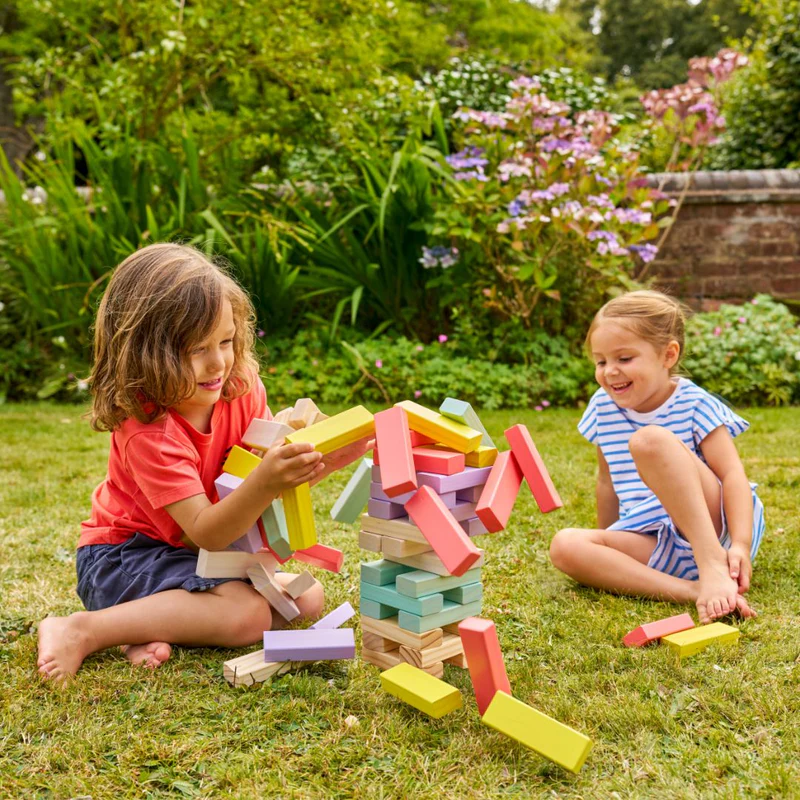
If a child is engaged in solo play while you're busy, a quick glance over their shoulder ("I see the tall tower you're building!") holds them over and keeps their connection bucket full.

If peek‑a‑boo can change the world, imagine what consistent, anchored moments of Connect & Reflect can do for a child's future.
The most powerful developmental tools are free, simple, and already in our hands. All they require is our presence. Visit connectwithcalm.ca to explore:
Download the Space of See Me infographic for your quick reference


Comments