
Play That Connects Us
Five Simple Games That Bring the Early Learning Framework to Life
In early learning spaces, the most meaningful growth often begins with a simple invitation: Come play with me. The BC Early Learning Framework (ELF) reminds us that play is not an “extra”—it is the foundation of belonging, identity, communication, and joyful exploration. When we choose experiences that honour children’s cultures, families, and ways of knowing, we create classrooms where every child feels seen.
Below are five playful experiences—each one rooted in the ELF and designed to strengthen connection, curiosity, and community.
1. Bakery Dramatic Play
Exploration & Creativity • Communication & Literacies • Identity & Belonging

Children use dramatic play to make sense of their world. In this experience, they explore foods from home—bannock, pizza, roti—and create a “classroom restaurant” using art, storytelling, and imagination. The resource notes that this activity “supports children’s funds of knowledge,” helping them see their cultural experiences reflected in the classroom.
Why it matters:
Children practice early literacy through menus, signs, and role‑play
Cultural foods become a source of pride and connection
Creativity and self‑regulation grow through open‑ended play
2. Cultural Freeze Dance
Communication & Literacies • Well‑Being & Belonging

Freeze Dance becomes a celebration of identity when children bring music from home. They share how the song is used in their family, demonstrate a dance, and invite classmates to join. As the resource describes, children “explore music and dance from other cultures, and through play, develop their inhibition skills.”
Why it matters:
Movement supports regulation and joyful expression
Children learn rhythms, patterns, and musical literacy
Home cultures become part of the classroom soundtrack
Moving together actually fosters feelings of belonging and well-being
3. Cultural Red Light, Green Light
Communication & Literacies • Belonging • Cognitive Flexibility

This familiar game becomes a multilingual literacy experience when children design their own signs and add “Stop” and “Go” in their home languages. Eventually, the signs disappear and children play using only the multilingual words.
Why it matters:
Home languages are honoured and shared
Children practice inhibition and cognitive flexibility
Art, language, and movement blend into one playful experience
4. Family, Family, Who Do You See?
Identity • Belonging • Communication & Literacies

Inspired by Brown Bear, Brown Bear, this experience uses photos and rhythmic repetition to help children learn each other’s names and see themselves as part of a “classroom family.” The resource includes the adapted chant: “Teacher, Teacher who do you see? I see Malcolm looking at me.”
Why it matters:
Children hear their names spoken with joy
Classroom community becomes visible and celebrated
Repetition supports early literacy and confidence
5. The Daily Dilemma
Social Responsibility • Communication & Literacies • Belonging
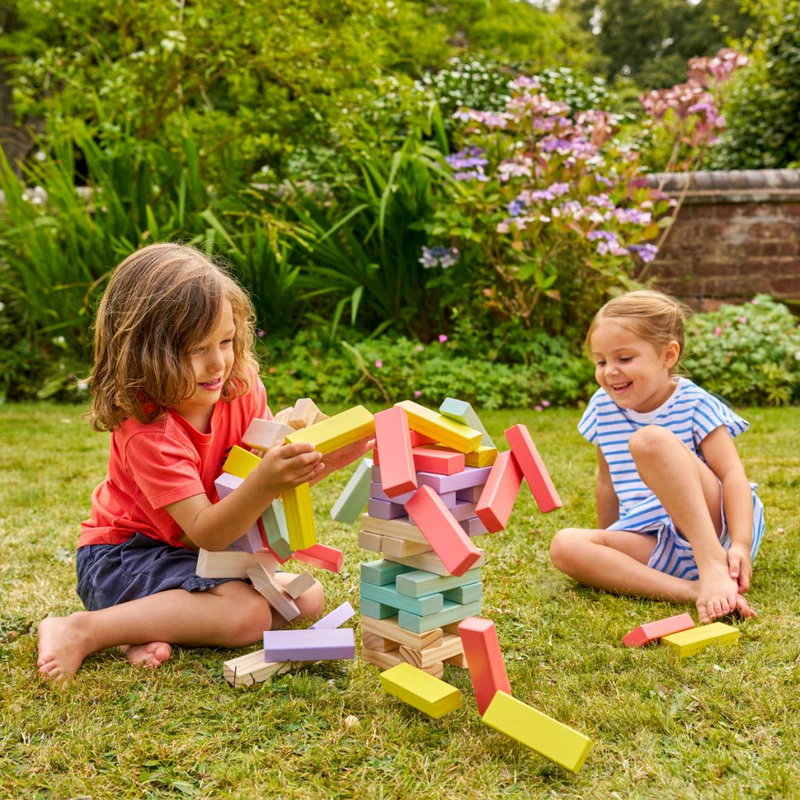
Educators introduce a short story with an unresolved conflict—like the example where “Timmy Turtle” builds a tower and “Bindy Bunny” knocks it over. Children discuss feelings, perspectives, and possible solutions.
Why it matters:
Children practice empathy and perspective‑taking
They learn to articulate ideas, negotiate, and compromise
Multiple truths are welcomed, not corrected
How to Integrate These Downloadable Resources
To make these experiences easy to use, each resource is designed to fit naturally into your planning flow:
Print & Post: Keep them in your dramatic play, art, or circle‑time areas as quick‑grab invitations.
Weekly Planning: Choose one experience per week and follow the emerging → proficient → extending progression.
Family Engagement: Send home the “advanced” extensions to strengthen home‑school connection.
Professional Learning: Use them in team meetings to spark discussion about belonging, identity, and culturally responsive practice.
Documentation: Pair the resource with photos, quotes, and reflections to show how the ELF is alive in your classroom.
These activities aren’t just games—they are pathways to connection. When children see their foods, music, languages, families, and ideas woven into daily play, they learn the most important lesson of all: You belong here. Your story belongs here.
Making it easy to bring these ideas directly into your classroom, you can click on the download button and print for your convenience.


Comments